Wednesday, December 21, 2016

Thamizh Songs in Carnatic Music 34-- இந்த பராமுகம் ஏது---inda parAmukham Edu

Thamizh Songs in Carnatic Music 34
இந்த பராமுகம் ஏது---inda parAmukham Edu

Composer: Shankardas SvAmi (could also be KavimaNi DEsika vinAyakam PiLLai)


rAgam: pUrvikalyANi         tALam: Adi


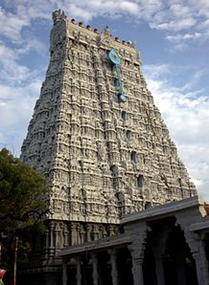
It is generally accepted that this song is by Shankaradas Svami, although some sites credit the authorship to one skandar svAmi or KavimaNi DEsika VinAyagam PiLLai.  This song is on Lord Subramanya in tiruchchendUr (in toottukkuDi district in ThamizhnADu). The composer (not much is known about Shankardas Svami) makes an appeal to Lord Murugan in this shrine.  It is a typical lamentation that many composers indulge in pouring their hearts out.

Read about the shrine tiruchchendUr (Thamizh text) here.

Of the six shrines( known as ARu paDai vIDu---ஆறு படை வீடு) for Lord Murugan, five of them (tirupparankunRam, pazhamudircOlai, swAmimalai, pazhani, and tiruttaNi) are located on  hilltops. Only tiruchchendUr is on the seashore (flat land). In this particular song there is reference to “senthil parvatam” (செந்தில் பர்வதம்), which refers to a hill. Apparently there was a sandal hill (சந்தனமலை) on the seashore which vanished over the ages (perhaps eroded from the winds blowing from the sea) but the parvatam name is still in vogue. One can read the details in the reference given about the shrine in the first paragraph. To reproduce the detail here (in Thamizh),“இக்கோயில் கடற்கரையில் இருக்கும் "சந்தனமலை'யில் இருக்கிறது. எனவே இத்தலத்தை, "கந்தமாதன பர்வதம்' என்று சொல்வர். காலப்போக்கில் இக்குன்று மறைந்து விட்டது. தற்போதும் இக்கோயிலின்  இரண்டாம் பிரகாரத்தில் பெருமாள் சன்னதி அருகிலும், வள்ளி குகைக்கு அருகிலும் சந்தன மலை சிறு குன்று போல புடைப்பாக இருப்பதைக் காணலாம்.”  Now for the song,

பல்லவி:
இந்த பராமுகம் ஏது ஏழை என் மீது
அனுபல்லவி:
அந்தரத்தோர் தினம் வந்தடியே பரவும்                                                                          
செந்தில் பர்வதம் உவந்த கந்தசாமி
சரணம்:
நீ ஒரு சிலையோ நீ என் முறை கேட்டிலையோ                                                             
வர ஈதென்ன தொலையோ வந்தால்                                                                                        
என் குறை மலையோ க்ருபை இல்லையோ

Lyrics in Roman script

Pallavi:
inda parAmukham Edu Ezhai en mIdu

Anupallavi:
andarattOr dinam vandaDiyE paravum                                                                                                   sendil parvatam uvanda kandasAmi

CaraNam:
nI oru silaiyO nI en muRai kETTilaiyO                                                                                                            vara Idenna tolaiyO vandAl                                                                                                                     
en kuRai malaiyO krupai illaiyO

Meaning:

Pallavi: I am a destitute. Oh, lord why are you ignoring me?

Anupallavi: You took dwelling here in senthil parvatam  (tiruchchendUr) coming from the heavens to bless your devotees.

CaraNam: Are you a just stone idol? Don’t you hear my appeal? Is it too distant for you to come and bless me? Even if you do come,  is my misery monumental (for you to eliminate)? How come you don’t have any compassion/mercy for me?


Some audio/video clips
Listen to Madurai Mani Iyer here


Friday, December 16, 2016

Thamizh Songs in Carnatic Music—11a varmamA en mIdil---- வர்மமா என்மீதில்

Thamizh Songs in Carnatic Music—11a

varmamA en mIdil---- வர்மமா என்மீதில்


Composer(s): Anai-Ayya Brothers


Why this malice towards me?

Composition: varmamA enmIdil ….
Composer:     Anai Ayya Brothers
mudrA:           umAdAsan
(signature):   
rAgam:           sAvEri (janyam of mELam 15, mAyAmALava gauLai)
ArOhaNam:     SR1M1PD1S
AvarOhaNam: SN3D1PM1G3R1S
tALam:            rUpakam

பல்லவி:           
வர்மமா  என்மீதில்  தர்மசம்வர்தனி  ஈஸ்வரி                            (வர்மமா)

அனுபல்லவி: 
கர்மம் விலக்கும் நிர்மல சிவ-காரணி என்னைக்
காக்க இன்னமும்                                                                        (வர்மமா)

சரணம்1:    
அஞ்சு வயது முதலாயுனது கஞ்ச மலர் பதம் தனை யான்
 தஞ்சமென்றே அஞ்சித் துதிக்கும் நெஞ்சம் அறிந்தும்
 கொஞ்சிடும் சுகம் ஒழியாயிந்த வஞ்சகம் செய்வதென்ன நியாயம்
 பஞ்ச நதீசர்க்குகந்த பஞ்சாக்ஷரி கருணை பொழிய             (வர்மமா)


சரணம்2:     
செஞ்சடையினில் பிஞ்சு மதியும் நெஞ்சில் கொடு நஞ்சணிந்திடும்
செஞ்சொல் மதுரத்தமிழ் வாக்கருள் சப்யேசர்க்கு ராணிமானே
செஞ்சிலம்பொலி மிஞ்சியதால் கொஞ்சும் என் மொழி கேட்டிலையோ
என் சொல்லுவேன் உன் சரித்திரம் என் சொல்லைக் கேட்டருள் இன்னமும்           (வர்மமா)


சரணம்3:    
 மஞ்சடர் தென்னஞ்ச் சோலையும் கஞ்ச மலர்த்தடவாவியும்
 மஞ்சள் கதலி இஞ்சி மாத்துருஞ்சி பலாக்கனியும்
 ரஞ்சிதமாயோங்கும் எங்களஞ்சு நதிக்கரசாகிய
 வஞ்சி உமாதாசன் துதிக்கும் சஞ்சீவி அபரஞ்சி இன்னமும்                (வர்மமா)


Lyrics in Roman script

             
Pallavi:            varmamA enmIdil dharmasamvardhani Isvari           (varmamA)

Anupallavi:    karmam vilakkum nirmala siva-kAraNi ennaik kAkka innamum   (varmamA)

CaraNam1:     anju vayadu mudalAyunadu kanja malar padam tanai yAn
                        tanjamenRE anjit tudikkum nenjam aRindum
                        konjiDum sukham ozhiyAyinda vancakam seyvadenna nyAyam
                        panca nadIsarkkuganda pancAkshari karuNai pozhiya             (varmamA)


CaraNam2:     sencaDaiyinil pinju matiyum nenjil koDu nanjaNindiDum
                        sencol madhurattamizh vAkkaruL sabyEsarkku rANimAnE
                        sencilamboli minjiyadAl konjum en mozhi kETTilaiyO
                        en solluvEn un carittiram en sollaik kETTaruL innamum           (varmamA)


CaraNam3:     manjaDar tennanj cOlaiyum kanja malarttaDavAviyum
                        manjaL kadali inji mAtturunji palAkkaniyum
                        ranjitamAyOngum engaLanju nadikkarasAgiya
                        vanji umAdAsan tudikkum sanjIvi aparanji innamum                (varmamA)


Meaning:
Pallavi:            Oh, dharmasamvardani, Iswari, do you entertain malice towards me?

Anupallavi:     You, blemishless consort of Siva who can cure all ills, hesitate to offer                                your protection to me!        
           
Caranam1:     
You are aware that I have been seeking refuge at your lotus feet right  from the age of five and yet you do not cure my ills—Why this cruelty? You, the consort of pancanadIswarar (of Tiruvaiyaru), are reticent to  shower your grace on me!

Caranam2:     
You are the queen of Lord Sabesan who has the tender moon on his red locks of hair, the primordial poison at his throat, and who has sweet Thamizh words to utter to his devotees. Is it because the sound of your anklets overwhelms the sound of my request that you do not hear my  appeal? How can I speak effectively of your greatness? Please pay heed  to my request.
                       
Caranam3:     
You are the consort of the Lord who is the ruler of this Tiruvaiyaru which is resplendent with tall coconut trees which touch the clouds, lotus flowers-filled pond, turmeric, plantain, and ginger plants, mango and jack  fruit trees. I, umAdAsan, worship you the dispenser of relief from all ills.
           
General Comments:
This song is typical of the age in which the Anai-Ayya Brothers were living. Most people agonized over their fate and aspired to achieve salvation by worshipping their favorite deities. It is customary for composers to believe they did something wrong in not receiving divine grace. In general, their songs appealed to the Lord or Devi to take pity on them and offer solace.

This particular song addresses Dharmasamvardhani, the consort of the presiding deity at Tiruvaiyaru. The song describes the splendor of the town Tiruvaiyaru, surrounded by the five rivers (KAviri, KudamuruTTi, VeNNAru, VeTTAru, and VadavAru with all the plantations fostered by the fertile soil around the five rivers. Anai-Ayya brothers sing the glory of Dharmasamvardhani and invoke Her blessings.

It is noteworthy that the pallavi and Anupallavi lines have the same rhymes (etugai) for the two lines while the 12 caranam lines have a different sequence of rhyme but all of them same, containing significantly precise syllables.


Composer’s Bio:
Anai Iyer and Ayya Iyer were the cousins of Doraiswamy Iyer, the father of the composer-musician brothers, Ramaswami Sivan and Maha Vaidyanatha Sivan. They lived in the early to mid-part of 19th century and taught music to the two Sivans. They were junior contemporaries of the composers, Thyagaraja, Syama Sastri, and Muttuswamy Dikshitar, collectively known as the Trinity of Carnatic music. They lived in Vaiyacheri and Tiruvaiyaru in Thanjavur district. They were patronized by the king Serfoji II of Thanjavur. Together they wrote at least 26 Thamizh and 12 Telugu compositions that are currently available.

Their theme was devotion sprinkled with philosophy. They sang as a pair on Lord Siva and Devi. Their favorite deities are Mangalambika of Vaiyacheri, Dharmasamvardhani (aRam vaLartta nAyaki in Thamizh) of Tiruvaiyaru (the subject of the song under discussion), and PranatArtiharA/pancanadIswarar (also known as ayyArappan in Thamizh) of Tiruvaiyaru.

Other songs of Anai Ayya Brothers that are devotional and philosophical are: paruvam pArkka (dhanyAsi) http://inikkumtamizhisai.blogspot.com/2016/07/thamizh-songs-in-carnatic-music11.html
 bhajanai seyyavE (kEdAram), inda paraka (nAdanAmakriyA), and amba nannu, a Telugu song (tODi).

Audio clip

Listen to Madurai Sundar here


Thursday, December 8, 2016

Thamizh Songs in Carnatic Music—8a சம்போ மஹாதேவ சரணம்--- shambhO mahAdEva sharaNam

Thamizh Songs in Carnatic Music—8a
சம்போ மஹாதேவ சரணம்--- shambhO mahAdEva  sharaNam
rAgam:   bauLi    tALam:    rUpakam


Composer: nIlakaNTha Shivan


This song is a paean on lord Shiva at the shrine KALahasthi. The composer was an ardent devotee of lord Shiva and he was given the moniker “shivan” as his last name. For a biography of the composer please visit: http://inikkumtamizhisai.blogspot.com/2016/07/thamizh-songs-in-carnatic-music8.html


பல்லவி
சம்போ மஹாதேவ சரணம் ஸ்ரீ காள ஹஸ்தீச
அனுபல்லவி
அம்போஜ சம்பவனும்  அன்பான மாயவனும்
அடி முடி காணா  நெடுமலை வாணா
அகில புவன பரிபால சகல வரகுண விஸாலா    (சம்போ)
சரணம்
அறியேன், சின்னஞ்  சிறியேன் உனக்கனந்தம் தண்டனிட்டேன்
அபராதங்கள் முழுதும் க்ஷமித்தருள்வாய் கை கும்பிட்டேன்
பரிவாய்  உன் சொல் கனவில் கண்டு பிழைக்கும் வழி தொட்டேன்
பேதையாகிலும் உன் பாதம் பணியும்  என்  பெருகிய
பவவினை தீரும், குரு பரனே கருணைக் கண்பாரும்  (சம்போ)

ஆதியே ஒரு பேதமில்லாத போத நிர்குண ரூபா                        
அடியவர் உள்ளம் குடிகொண்ட குரு வடிவான ஞானதீபா                         
வேத புராண சாத்திரம் எல்லாம் ஓதும் பெரும் ப்ரதாபா                  
விண்ணவர் முனிவர் கிங்கரர் கந்தர்வர்               
வேண்டித் தொழும் தாமரை பாத ஆண்டவனே காளத்திநாதா

Lyrics in Roman script

pallavi
shambhO mahAdEva  sharaNam shrI kALa hasthIsa
anupallavi
ambhOja sambhavanum  anbAna mAyavanum
aDi muDi kANA  neDumalai vANA
akhila bhuvana paripAla sakala varaguna vishAlA    (shambhO)
caraNam
aRiyEn, cinnanj  ciRiyEn unakkanantham daNDaniTTEn
aparAdangaL muzhudum kshamittaruLvAy kai kumbiTTEn
parivAy  un sol kanavil kaNDu pizhaikkum vazhi toTTEn
pEdaiyakilum un pAdam paNiyum
perukiya bhavavinai tIrum, guru paranE karuNaik kaNpArum  (shambhO)
AdiyE  oru bEdamillAda bhOda nirguNa rUpA                                                                   aDiyavar uLLam kuDikoNDa guru vaDivana jnAnadIpA                                                     vEda purANa sAttiram ellAm Odum perum pradApA                                                 viNNavar munivar kingarar gandarvar                                                                       vENDit tozhum tAmarai pAda ANDavanE kALattinAdA           (shambhO)

Meaning:
Pallavi: Oh, MahAdEva, l surrender unto you, who dwells in KALahasthi.

Anupallavi:  The lord who originated in the lotus flower (Brahma) and the lovable lord Vishnu could not find your head and feet. You are the one who protects the entire universe. You personify all the fine qualities and boon-giving benevolence.

CaraNam:
I am a child who is ignorant. I prostrate before you several times. Please forgive my trespasses. I worship you with folded hands. I dreamed of your comforting words and found the way to salvation. Even though I am destitute I worship your feet. Please remove my accumulated sins. My lord and teacher, shower your grace on me.
You are the primordial one, without any discrimination towards your devotees. You occupy the hearts and minds of your devotees with your effulgence. You are the storehouse of the scriptures and mythology. All the celestials and sages seek your sacred lotus feet, oh lord of KAlahasthi!

Some audio clips

Gayathri Venkataragahavan sings here  (scroll to time 2:23 to 6:52 min)
Visaka Hari sings here
Listen to S.Saketa Raman here
Listen to Nikila Shyam Sundar  here

Friday, December 2, 2016

Thamizh Songs in Carnatic Music--33 KAl mARi ADiya--- கால் மாறி ஆடிய

Thamizh Songs in Carnatic Music--33
KAl mARi ADiya--- கால் மாறி ஆடிய
Composer: ANDavan Piccai (ஆண்டவன் பிச்சை)  

rAgam: kuntaLa varALi (குந்தள வராளி)      tALam: Adi(ஆதி)


28 harikAmbhOji  janyam
ArOhaNam: S M1 P D2 N2 D2 S
avarOhaNam: S N2 D2 P M1 S
பல்லவி
கால் மாறி ஆடிய கனகசபேசா உன்மேல் காதல் கொண்டேன் அய்யனே கன துய்யனே

அனுபல்லவி
மான் மழுவேந்தியே மங்கை நடம் புரியும் ஆனந்த                 தாண்டவனே நடராஜனே

சரணம் 1
பாதம் வருந்தும் என்று பாண்டியன் வேண்டிட                    வேதனும் மாலும் காணா விமல மலர்ப்பாதம்
நீதயவுடன் தூக்கி நிர்த்தனமாடிட                                                  மாதவ முனி பதஞ்சலி புலி பாதர் கூட
சரணம் 2
சக்தி சிவகாமி நித்தியம் உன்னுடன் ஆட                             பக்தியுடன் நந்தி தாளமத்தளம் போட
முக்தி அளித்த பேயம்மையுன் புகழ் பாட                        
தத்திமி தோம் தோம் என்று தாள் மலர் தூக்கியே

Lyrics in Roman script

pallavi
kAl mARi ADiya kanakasabhEshA unmEl kAdal                                                           koNDEn ayyanE ghana tuyyanE

anupallavi
mAn mazhuvEndiyE mangai naTam puriyum Ananda                                                  tANDavanE naTarAjanE

caraNam 1
pAdam varundum enRu pANDiyan vENDiDa                                                         vEdanum mAlum kANA vimala malarppAdam
nIdayavuDan tUkki nirtanamADiDa                                                                                  mAtava muni patanjali puli pAdar kUDa

caraNam 2
shakti shivakAmi nittiyam unnuDan ADa                                                         bhaktiyuDan nandi tALamattaLam pODa
mukti aLitta pEyammaiyun pugazh pADa                                                              taddhimi tOm tOm enRu tAL malar tUkkiyE
  
                                                      
Meaning:                                                                                                                         
P: Oh lord KanaksabEsA, you danced raising the other leg (right leg raised instead of the usual left one). I fell in love with you lord.

A: You dance blissfully along with your consort, carrying the deer and ax.

C1: The PANDya king requested that you dance with the other leg raised in order to avoid pain on one leg. You flowery feet were not seen by Brahma, and Vishnu. You danced so that the sages Pathanjali and VyAgrapadar could witness.

C2:  Your consort ShivakAmi dances with you every day. Nandi beats the drum with due devotion for your dance. The lady whom you favored (KAraikkAl  ammayAr---known by the moniker “pEyammai”) sings your praise. You dance with the proper rhythm.


Composer’s Bio:  (From karnatik.com) ANDavan Piccai  (1889-1990),  a contemporary composer,  had no formal education. Nonetheless she was able to compose songs in Thamizh, Telugu, and Sanskrit. It is said that her genius was innate, conferred on her by the Lord. Her compositions include padams, and other compositions such as "Hey kAmAkshi" in yadukula kAmbhOji, and “nI manamirangi” (latAngi rAgam) to mention a couple.  Descendents of ANDavan Picchai include Preeti Vinayak Shah, her granddaughter, a Bharatanatyam artist and Carnatic vocalist.


Some audio clips

General Comments:

In Madurai NaTarAja dances with His left leg on the demon and right leg lifted as Kunchita pAdam.  This is called” KAl  MARi ADiya naTanam” (dance with the leg position reversed). The story goes that a Pandiyan king (RAjasEkharan) fasted in front of the sanctum for 48 days saying, "Your left leg will become tired due to continuously in a raised position. Please dance changing the leg position."  NaTaraja is said to have done that for the sake of PANDiyan King! Madurai is called VeLLi ambalam, the Silver Hall of Consciousness.

Read the story of how Shiva danced with the right leg raised in Madurai at the request of the PANDya king at the following website. http://temple.dinamalar.com/en/news_detail.php?id=2255