Showing posts with label NIlakanTha Sivan. Show all posts

Friday, January 20, 2017

Thamizh songs in Carnatic Music 8b--- navasiddhi peTrAlum--- நவசித்தி பெற்றாலும்

Thamizh songs in Carnatic Music 8b
navasiddhi peTrAlum--- நவசித்தி பெற்றாலும்

rAgam: kharaharapriya     tALam: misracApu

Composer: nIlakaNTha Sivan


22 kharaharapriya mElam
ArOhaNam: S R2 G2 M1 P D2 N2 S
avarOhaNam: S N2 D2 P M1 G2 R2 S

The composer castigates those who do not worship the lord. Even if they are highly wise, it is useless if they are not devotees of the lord. He takes a dig on those (in the society) who are greedy and are interested only in accumulating wealth for themselves without having any kindness to fellow citizens. He has no regard for those who neglect their parents. In general he is highly critical of anybody who  do not worship the lord sincerely.

பல்லவி

நவசித்தி பெற்றாலும் சிவ பக்தி இல்லாத நரர்கள் வெறும் சாவி
எவர் புத்தியும் தள்ளி சுயபுத்தியும் இல்லாது இருப்பவர்கள் பெரும் பாவி

சரணம் 1

நாதன் அருள் மறந்து போதம் இல்லா கூத்து நடிப்பவர் வெறும் சாவி
சீதமதி அணியும் சிவனை நினையாமல் இருப்பவர் பெரும் பாவி

சரணம் 2

பாபமும் புண்யமும் கெணியாமல் பணத்திற்கே பறப்பவர் வெறும் சாவி
கோபமும் லோபமும் கொண்டு நல்ல குணத்தை குலைப்பவர் பெரும் பாவி

சரணம் 3

தாய் தந்தை மனம் நோக செய்கின்ற குரு த்ரோஹத்  தனயர்கள் வெறும் சாவி
நாய் போல எவரையும் சீறி சண்டையிடும் நலம் கெட்டார் பெரும் பாவி

சரணம் 4

கேட்டும் கண்டும் அனுபவித்தும் உண்மை உணரா கர்விகள் வெறும் சாவி
வாட்டமில்லா கதி கொடுக்கும் நீலகண்டரின் அருள் இல்லார் பெரும் பாவி

Lyrics in Roman script
pallavi

navasiddhi peTrAlum shiva bhakti illAda narargaL veRum sAvi
evar budddhiyum taLLi suyabuddhiyum illAdu iruppavargaL perum pAvi

caraNam 1

nAthan aruL maRandu bOdham illA kUttu naDippavar veRum sAvi
sItamati aNiyum shivanai ninaiyAmal iruppavar perum pAvi

caraNam 2

pApamum puNyamum keNiyAmal paNattiRkE paRappavar veRum sAvi
kOpamum lObhamum koNDu nalla guNattai kulaippavar perum pAvi

caraNam 3

tAy tandai manam nOgha seyginRa guru drOhat  tanayargaL veRum sAvi
nAi pOla evaraiyum sIRi saNDaiyiDum nalam keTTAr perum pAvi

caraNam 4

kETTum kaNDum anubhavittum uNmai uNarA garvigaL veRum sAvi
vATTamillA gati koDukkum nIlakaNTharin aruL illAr perum pAvi

Meanng:
Even if one attains the nine mystical powers, if men do not have devotion toward lord Shiva they are like a withered crop. Ignoring the advice of others but not possessing any iota of wisdom themselves will make them great sinners.

Forgetting the grace of god and acting without proper wisdom is akin to a lifeless crop. Those who do not worship lord Shiva (who wears the cool moon on his head) are great sinners.

Those who act without taking sin and merit into account in their actions but only paying attention to wealth are akin to chaff. Those who are angry and miserly cheapen themselves and their lives and are thus sinners.

Those who insult their parents and teachers are just lifeless creatures. Those who fight with others like dogs are also sinners.

Those who do not get enlightened by listening, seeing, and experiencing the truth, are without substance.  Those who do not seek the refuge and get the unbounded grace of lord nIlakaNThar (lord Shiva) are real sinners.

Some audio/video clips
Listen to Semmangudi Srinivasa iyer here
Listen to D K Jayaraman here
View/Listen to Sanjay Subrahmanyan here
Listen to Prince Rama Varma here
Listen to T M Krishna here
Listen to Sikkil Grucharan here
View/Listen to K Bharath Sundar here
Listen to Ranjani/Gayathri here
Listen to Satyaprakash here

Friday, July 8, 2016

Thamizh Songs in Carnatic Music—8 enRaikku siva krupai --- என்றைக்கு சிவ க்ருபை

 Thamizh Songs in Carnatic Music—8

enRaikku siva krupai --- என்றைக்கு சிவ க்ருபை

Composer: NIlakanTha Sivan


When will I receive the grace of Lord Siva?

Composition: enRaikku siva krupai…….
Composer:     nIlakaNTa sivan
mudrA:          
(signature):    nIlakaNTa
rAgam:           mukhAri (janyam of mELam 22, karaharapriyA)
ArOhaNam:     SR2M1PN2D2S
AvarOhaNam: SN2D1PM1G2R2S
tALam:            misracApu


பல்லவி           
 என்றைக்கு சிவ க்ருபை வருமோ, ஏழை
 என் மன சஞ்சலம் அறுமோ                                              (என்றைக்கு)

அனுபல்லவி:     
கன்றின் குரலைக் கேட்டுக் கனிந்து வரும் பசு போல்
ஒன்றுக்கும் அஞ்சாத என் உள்ளத்துயரம் நீக்க                (என்றைக்கு)

சரணம்:       
உண்டான போது கோடி உற முறையோர்கள் வந்து
கொண்டாடித் தொண்டாடிக் கொள்வார்-- தனம் குறைந்தால்
கண்டாலும் பேசார் இந்த கைத்தவமான பொல்லாச்              
சண்டாள உலகத்தைத் தள்ளி நற்கதி செல்ல                     (என்றைக்கு)

நான்  கொண்ட  துயரத்தை நான் வென்றேன் எனக்காட்டி
வீண் கண்ட இருளெல்லாம் வெளியாக்கிப்  பொருள் நாட்டி
யான் இன்றுள் இளைப்பாறி ஆனந்தப் பெருந்தீரன்
தான் நின்ற நீலகண்டன் சரணாரவிந்தம் சேர                  (என்றைக்கு)

Lyrics in Roman script
             
Pallavi:            enRaikku siva krupai varumO, Ezhai
                        en mana sancalam aRumO                                                   (enRaikku)

Anupallavi:      kanRin kuralaik kETTuk kanindu varum pasu pOl
                        onRukkum anjAda en uLLattuyaram nIkka                           (enRaikku)

CaraNam1:     uNDAna pOdu kODi uRa muRaiyOrgaL vandu
                        koNDADit toNDADik koLvAr-- danam kuRaindAl
                        kaNDAlum pEsAr inda kaittavamAna pollAc
                        caNDALa ulakattil naRgati sella                                             (enRaikku)

CaraNam2:      nAn  koNDa  tuyarattai nAn venREn enakkATTi
                        vIN kaNDa iruLellAm veLiyAkki poruL nATTi
                        yAn inRuL iLaippARi Anandap perundIran
                        tAn ninRa nIlakaNThan sharaNAravindam sEra                 (enRaikku)


Meaning:
Pallavi: When will I receive the grace of Lord Shiva? Here I am a wretched soul; when will my mental turmoil be removed?
           
Anupallavi:  Just like the cow responding to the call of the calf and rushing to its sidewith  abundant compassion, will I get solace from the Lord to rid the grief that occupies my mind and restore it to the fearless state?    

C1: When one has wealth so many relatives approach, celebrate, and attend to you. When the wealth dwindles, the same people do not even talk to you when they see you. In this expedient, wicked, and sinful world when will the grace of the Lord arrive to rectify the morass and lead us in the right path?

C2: I should conquer my miseries and the darkness around me should be replaced with light and I should gather wealth. Then I should relax and attain the lotus feet of the lord nIlakaNThan who is the source of bliss. When will I get the lord’s grace?

General Comments:
First a word about the rAgam (mukhAri) in which this song is set. This rAgam is unique in bringing out the poignancy of the situation which the words try to describe. This rAgam at once strikes a sensitive chord in the grief-stricken mind and provides a solace simultaneously. MukhAri, along with a few other rAgams such as sAmA and nAdanAmakriyA, is well-suited to describe thoughts that dwell on miserable situations but in so doing it also offers relief as a consequence. It is also one of the melodious rAgams around. As Shelley, the English poet observed, in Ode to A Skylark, Our sweetest songs are those that tell of saddest thought”, any song set in this rAgam is naturally sweet. This particular song is a prime example of something sad and sweet. This song had been one of the all-time favorites of the yesteryear doyens such as Semmangudi Srinivasa Iyer, and Musiri Subramanya Iyer in concert platforms.

This composition  bears the signature of the composer "nIlakaNThan" in last line of the second caraNam.  This is an emotion-laden composition as is to be expected for a song in mukhAri rAgam.  The composer agonizes over the deceit that prevails in this world and is looking for deliverance from the turbulence of the treacherous world. He is looking for the grace of Lord Siva to ameliorate his mental turmoil. He is comparing himself to a calf in distress calling for its mother. The cow, compassionate for its offspring, naturally rushes to the calf and comforts the calf. In a similar manner nIlakaNTa Sivan wants his grief removed by the Lord and his mental fortitude restored.

One cannot but admire the precision of the word chosen in this song to describe the response of the cow. That word is “kanindu”.  When the calf is in distress and calls out to its mother, the immediate feeling of the cow is concern which could be written in Thamizh as “padari” to make the phrase “padari varum pasu”. But Sivan uses a much loftier word “kanindu” which expresses care, concern, and compassion together. Splendid diction indeed!

He is also disenchanted with the materialistic bent of relatives who swarm like bees when they see wealth with somebody but desert them once the wealth is gone. The philosophy expressed in the caraNam perhaps reflects the personal experience of the composer.

Composer’s Bio:
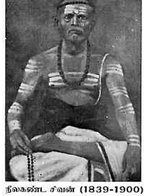
nIlakaNTa sivan (1839-1900) was christened “Subramanya” when he was born in   Vadiveshwaram village (Kanyakumari district).  He learnt and sang the songs of AruNAcala Kavi and MuttuttANDavar, as taught by his mother. He had no practical training in music. He assumed the name of “nIlakaNTa dAsan” after the presiding deity at Padmanabhapuram (nIlakaNTEshwarar), where he grew up. Others referred to him as “nIlakaNTa sivan” and that name stuck. Most people consider him holy enough to be considered another nAyanmAr.

He was a great devotee of Lord Siva although his family deity was Murugan. He wrote over 2000 songs on various Gods. His greatest contribution was “LalithA MahAtmiyam”. He composed in Thamizh and Sanskrit. Among them, ThirunIlakaNTa Dasakam, Anandavalli Satakam, and Anandavalli Ashtakam are noteworthy. His universal message was: knowledge, devotion, surrender to God, and adherence to spiritual, religious, and moral values.

Some of Sivan’s other songs which are rendered by musicians in concerts as regular fares are: ikaparam tarum (khamAs), navasiddhi peTRAlum (karaharapriyA), Ananda naTamADuvAr tillai (pUrvikalyANi), sivan varuvAr (darbAr), and SambhO mahAdEvA (bouLi).


Some audio/video clips
Listen to R Vedavalli here:  http://bit.ly/2finvB7
Listen to aruNA Sairam  here  
Listen to Ranjani Gayatri here
Listen to Savitha Narasimhan here
Listen to S Mahathi here   
Listen to T M Krishna here
Listen to Vijaya Siva here
Listen to Ramakrishnan Murthy here
Listen to Ashvin Bhogendra here
Listen to Renuka Arun here


References: