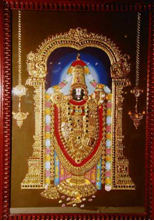
Thamizh Songs in Carnatic Music—17
குறை ஒன்றும்
இல்லை --kuRai onRum illai
Composer: Chakravarthi Rajagopalachari (Rajaji)
rAgams: shivaranjani, kApi, & sindubhairavi
Composition: kuRai
onRum illai
Composer: cakravarti rAjagOpAlAcAri
mudrA: none
(signature):
rAgam: rAgamAlikai (see below for each
segment)
1. சிவரஞ்சனி
பல்லவி:
குறை ஒன்றும் இல்லை மறைமூர்த்திக் கண்ணா
குறை ஒன்றும் இல்லை கண்ணா
குறை ஒன்றும் இல்லை கோவிந்தா
அனுபல்லவி:
கண்ணுக்குத் தெரியாமல் நிற்கின்றாய் கண்ணா
கண்ணுக்குத் தெரியாமல் நின்றாலும் எனக்குக்
குறை ஒன்றும் இல்லை மறைமூர்த்திக் கண்ணா
சரணம் 1:
வேண்டியதைத் தந்திட வேங்கடேசன் என்றிருக்க
வேண்டியது வேறில்லை மறைமூர்த்திக் கண்ணா
மணீவண்ணா மலையப்பா கோவிந்தா கோவிந்தா
2. காபி
சரணம் 2:
திரையின்பின் நிற்கின்றாய் கண்ணா – உன்னை
மறை ஓதும்
ஞானியர் மட்டுமே காண்பார் என்றாலும்
குறை ஒன்றும்
எனக்கில்லை கண்ணா
சரணம் 3:
குன்றின் மேல் கல்லாகி நிற்கின்ற வரதா --குறை
ஒன்றும் இல்லை
மறைமூர்த்திக் கண்ணா
மணிவண்ண மலையப்பா கோவிந்தா கோவிந்தா
3. சிந்துபைரவி
சரணம் 4:
கலிநாளுக்கிரங்கி கல்லிலே இறங்கி
நிலையாகக் கோவிலில் நிற்கின்றாய் கேசவா
சரணம் 5:
யாதும் மறுக்காத மலையப்பா – உன் மார்பில்
ஏதும் தர நிற்கும் கருணைக் கடல் அன்னை
என்றும்
இருந்திட ஏது குறை எனக்கு
ஒன்றும் குறை இல்லை மறைமூர்த்திக் கண்ணா
மணிவண்ணா
மலையப்பா கோவிந்தா கோவிந்தா
Lyrics in Roman script
1. sivaranjani
Pallavi: kuRai onRum illai maRaimUrttik kaNNA
kuRai onRum illai kaNNA
kuRai onRum illai
gOvi^ndA
Anupallavi: kaNNukkut teriyAmal niRkinRAy kaNNA
kaNNukkut teriyAmal
ninRAlum enakkuk
kuRai onRum illai
maRaimUrttik kaNNA
CaraNam 1: vENDiyatait ta^ndiDA vEnkaTEsan enRirukka
vENDiyatu
vERillai maRaimUrttik kaNNA
maNIvaNNA malaiyappA
gOvi^ndA gOvi^ndA
2. kApi
CaraNam 2: tiraiyinpin niRkinRAy kaNNA –
unnai
maRai Odum gnAniyar
maTTumE kANpAr
enRAlum kuRai onRum
enakkillai kaNNA
CaraNam 3: kunRin mEl kallAki niRkinRa varadA
kuRai onRum illai
maRaimUrttik kaNNA
maNivaNNa malaiyappA
gOvi^ndA gOvi^ndA
3. sindubhairavi
CaraNam 4: kalinALukkirangi
kallilE iRangi
nilaiyAkak kOvilil
niRkinRAy kEsavA
CaraNam 5: yAdum maRukkAda malaiyappA – un mArbil
Edum tara niRkum
karuNaik kaDal annai
enRum irundiDa Edu kuRai
enakku
onRum kuRai illai
maRaimUrttik kaNNA
maNivaNNA malaiyappA
gOvi^ndA gOvi^ndA
Meaning:
Pallavi: I do not have any grievance Oh, KaNNa
the vEdAs personified! I do not have any problem, kaNNA! I do not have any
complaint, Oh, gOvindA!
Anupallavi:
You are invisible, Oh, kaNNA! But even when
you remain invisible, I still do not have any complaint, Oh, kaNNA!
Caranam1: When there is lord Venkatesan to give us
what we want, we shall not want anything, Oh, kaNNA! maNivaNNa! malaiyappA!
gOvindA!
Caranam2: You are standing behind a screen, kaNNA!
Only the wise men who are well-versed in vEdAs can “see” you. Still I do not
have a problem (if I cannot see you).
Caranam3: You are standing as a stone (idol) on the
hilltop. I do not have any problem still.
Caranam4: You have taken this stone-form recognizing
this kaliyuga. You are permanently here in this temple.
Caranam5: You do not refuse the request from your
devotees. The ever-merciful goddess Lakshmi is residing in your chest. In that
situation what deficiency can I have? I do not have any complaint, kannA,
maNivaNNa, malaiyappA, gOvindA!
General
Comments:
This song is unusual in several ways. First
of all it is a rare composition by a person who is not a regular composer or a
musician. Although Rajaji was a popular writer he was not recognized as a
composer. It is mentioned that he had
some help in writing this song from his friend, M. P. Somasundararm (1921-1999),
a Thamizh scholar . Secondly, unlike other devotional songs which lament the
status of the composer and request the Lord to save them (authors) in this and
the next life, this song does not lament nor request special favors. Instead,
the song describes the gratitude and contented state of mind of the composer.
The composer does not want anything. He just admires the everlasting grace of
Lord Venkatesa of tirumalai hills.
Rajaji does not make any distinction here
between Lord Venkatesa of Tirupati and the incarnation Krishna
(known as kaNNAn in Thamizh). He uses the names interchangeably. He expresses
only a common concept that the Lord, though present in the stone form, is
taking care of the needs of the devotees. However, the concept comes out so
crystal-clear when one hears the song. Perhaps it is the melody because there
is no splendor of diction in this song. The words used are so commonplace and
repetitive too.
Another distinctive feature of this song is
that this was first sung by Bharat Ratna Smt. M. S. Subbulakshmi (MS). The song
was set to music by Kadayanallur Venkataraman who has worked with MS for
decades. It is now a highly popular song in the concert circuit. Almost every
musician keeps it in his/her repertoire to be rendered either as a regular item
towards the end or to be rendered at the request of the audience.
.
Composer’s
Bio:
Rajaji (1878-1972) was born in Thorapalli in Salem district. He
finished his B.A in Bangalore
and obtained his law degree in Madras.
He did not go to England
to obtain a fancy degree. Perhaps he did not need that. He began his law
practice in Salem
and pretty soon became famous through brilliance of knowledge of law and
speech.
He participated in the freedom movement and
became one of the top leaders along with Gandhi and Nehru. Between himself and
Nehru, the brain trust was formed. He became the governor-general of free India. He was
Chief Minister of Madras
state twice, once in 1937 and then in 1952. He had an impeccable record in
administration, free of corruption and other misdemeanors.
He was a popular writer in Thamizh and
English. He wrote 30 books covering history, philosophy, and religion. The two
greatest works of his are: Ramayanam, and Mahabharatham. The English version of
Mahabharatham is now used as textbook in a course on Oriental Studies in
several American universities.
He was a good speaker and expressed his
thoughts clearly to the ordinary man/woman. He was a true reformist in thought,
word, and deed. He got his daughter Lakshmi married to Devadas, son of Gandhi.
He introduced prohibition in Madras
although the measure resulted in loss of revenue to the government. He also
introduced compulsory education of Hindi in Madras.
In later life he differed with Nehru on
policies for the nation and started a new party called “Swatantra Party” which
emphasized private enterprise as opposed to government-run mega projects
favored by Nehru. However, the party disappeared for lack of support after a
decade of existence. It is an irony that his political philosophy of private
enterprise is making a huge comeback now.
Audio and
video links
Listen to/view M S Subbulakshmi here
A melodious rendition by (Latha
Mangeshkar?) here
Sudha Ragunathan sings here
Bombay Jayashri sings here
The great-grand daughters of MS sing here
Bhushany
Kalyanaraman sings here